
The modern business landscape is built upon vast oceans of information that require precise handling to remain useful. For an organization to thrive, it must move beyond simple storage and embrace a system that allows for the rapid retrieval and analysis of critical operational data. Establishing a structured environment for information ensures that every decision is backed by empirical evidence, reducing the uncertainty that often accompanies rapid corporate expansion and market shifts.
Growth is significantly accelerated when a company implements specialized database management to oversee its internal records and client information. By centralizing these assets, teams can eliminate the redundancy and errors that typically occur when data is scattered across multiple spreadsheets. This unified approach provides a clear window into the health of the business, allowing for more accurate forecasting and the identification of new opportunities for revenue generation.
Operational excellence depends on the ability of different departments to access and share information without technical friction. When a central repository is maintained, marketing, sales, and operations can all work from the same set of facts, leading to a more cohesive brand experience. This high level of data integrity builds internal confidence and ensures that the organization can maintain a consistent standard of quality as it scales to meet increasing consumer demand.
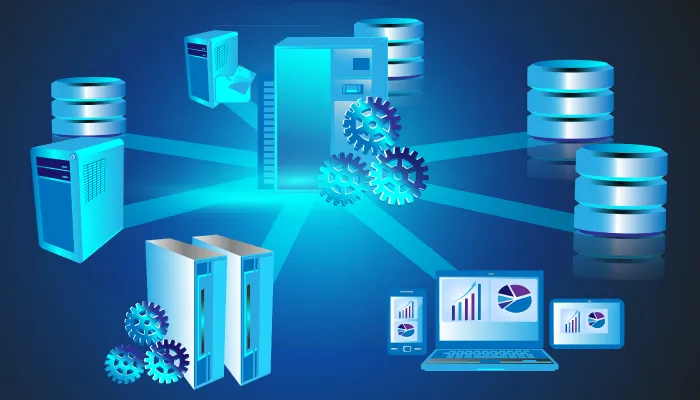
The power of a flexible digital environment lies in its ability to adapt to the unique data structures of any given industry. Modern platforms allow businesses to design custom data entry forms and automated workflows that align perfectly with their existing manual processes. This level of customization ensures that the technology acts as an accelerator for productivity, rather than a rigid constraint that forces employees to change how they work to fit the software.
To maintain a competitive edge, organizations must view database management as a continuous process of refinement and optimization. Regularly updating how information is categorized and linked allows for deeper insights and more sophisticated reporting capabilities. Having a robust framework for data governance protects the company’s most valuable intellectual property while ensuring that users have the specific tools they need to perform their duties with maximum efficiency.
Security and accessibility are the twin pillars of a successful information strategy in the digital age. A professional system provides granular permission controls, ensuring that sensitive data is only visible to authorized personnel while remaining easily accessible to those who need it. This balance is crucial for maintaining compliance with international data protection standards and building trust with clients who expect their information to be handled with the utmost care and professionalism.
Real-time data visualization transforms raw numbers into actionable intelligence that can guide long-term strategy. By utilizing intuitive dashboards, management can quickly spot trends and anomalies that would otherwise remain hidden in dense rows of text. This proactive stance allows for the immediate reallocation of resources to address emerging challenges, ensuring that the business remains agile and resilient regardless of the external economic climate or internal organizational changes.
Selecting a comprehensive Business database platform serves as the foundation for all future digital innovation within the firm. This investment simplifies the process of building new applications and integrating with existing legacy systems, creating a seamless flow of information across the entire enterprise. With a reliable data backbone in place, teams are free to focus on creative problem-solving and delivering the exceptional service that defines a market leader.
In summary, the transition to a data-driven culture is a vital step for any organization seeking to master the complexities of the modern world. By prioritizing the organization and accessibility of internal information, businesses can unlock new levels of efficiency and insight. Embracing a unified platform for your data needs ensures that your team remains synchronized, informed, and ready to lead your industry into a new era of professional achievement and sustained growth.